Raspberry Junk Journal Background JPEG: A Designer's Asset
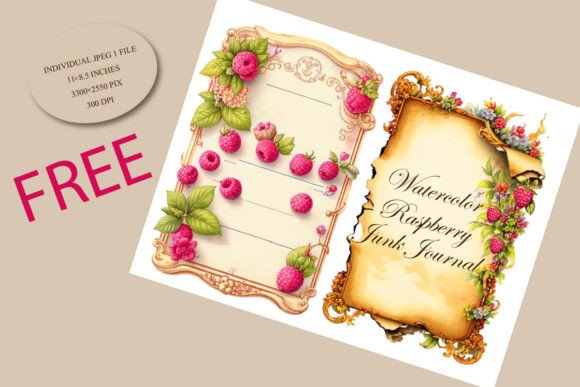
The tactile, nostalgic appeal of vintage paper is a powerful tool in modern graphic design, offering an immediate sense of authenticity and warmth. A high-quality Raspberry Junk Journal Background JPEG provides this exact visual texture, serving as a versatile digital foundation for a wide array of creative projects. These files, formatted as 300dpi JPGs bundled in a convenient ZIP folder, are engineered for professional use, ensuring crisp results whether for print or digital applications.
The Role of Textured Backgrounds in Visual Communication
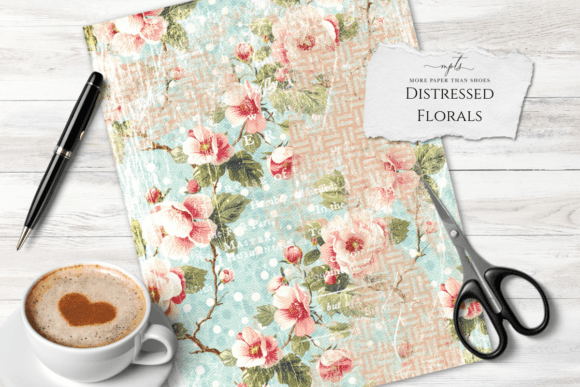
In a digital landscape saturated with clean, sterile interfaces, incorporating organic, handcrafted elements can significantly enhance user engagement and brand recall. A background like the Raspberry Junk Journal Background JPEG does more than fill space; it establishes a mood. The subtle watercolor stains, aged paper fibers, and faded edges contribute to a visual hierarchy that guides the viewer's eye while conveying a specific brand personality—be it shabby chic, rustic, or elegantly vintage.
Practical Applications for Design Professionals
The utility of such a resource extends far beyond personal scrapbooking. For graphic designers and marketers, these backgrounds are foundational assets that can elevate various deliverables:
- Brand Identity & Logo Design: Use the textured paper as a substrate for logos or brand marks to create a cohesive, artisanal identity system, particularly for brands in the lifestyle, boutique, or handmade goods sectors.
- Marketing & Social Media Graphics: Transform standard social media posts, digital ads, or email headers. The organic texture increases visual stop-power and can improve click-through rates by making content feel more personal and less corporate.
- Editorial & Web Design: Integrate the background into website hero sections, blog post headers, or digital magazine layouts to break visual monotony and enhance the reading experience with a touch of tactile realism.
- Packaging & Merchandise: Apply the design to product labels, hang tags, or digital product mockups to instantly communicate quality and craftsmanship, aligning the product's visual language with its value proposition.
Evaluating and Implementing Design Assets Effectively
When selecting creative assets like the Raspberry Junk Journal Background, consider factors that impact your design workflow and final output. The 11x8.5 inch, 300dpi specification is ideal for Letter-sized print projects, ensuring scalability without pixelation. For digital use, the high resolution allows for flexible cropping and resizing for various platforms.
To integrate such assets seamlessly:
- Maintain Visual Consistency: Ensure the color palette and texture style of the background align with your broader brand guidelines. The raspberry hue should complement, not clash with, your primary and secondary colors.
- Prioritize Readability: When overlaying text or key graphics, use sufficient contrast. Tools like overlay layers, subtle drop shadows, or strategic placement on less textured areas of the paper can maintain legibility.
- Layer for Depth: Combine the background with other design elements—such as the mentioned Junk Journal Tags and notes—to build a rich, multi-layered composition that adds depth and narrative to your work.
Thoughtful design choices are what separate good projects from great ones. By leveraging high-quality, purpose-built assets like these vintage backgrounds, professionals can efficiently add depth, emotion, and a distinct point of view to their work. This not only streamlines the design workflow but also ensures the final visual communication is both beautiful and strategically effective, resonating deeply with the intended audience and strengthening the overall brand experience.