Streamline Your Design Workflow with a Grocery Checklist Template
In the fast-paced world of graphic design, organization is the cornerstone of creativity. Just as a chef needs a mise en place, a designer benefits from structured tools that manage workflow and resources. A Grocery Checklist Template is a prime example of a versatile asset that transcends its literal function, offering a clean, systematic framework perfect for organizing creative projects, managing brand assets, and planning visual content calendars. Its inherent clarity and categorization make it a surprisingly powerful tool for visual communication.
More Than a List: A Framework for Visual Clarity
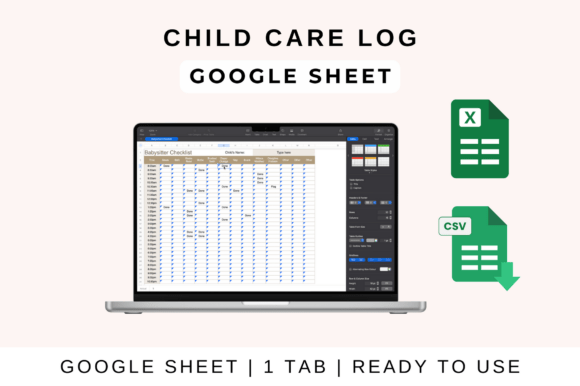
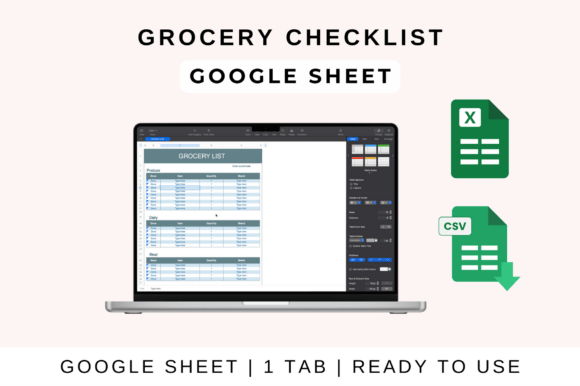
At its core, a well-designed checklist is an exercise in visual hierarchy and user experience (UX) design. The template’s structure—grouping items into logical categories like produce, dairy, and pantry—mirrors the way designers organize project components, from color palettes and typography to imagery and copy. This approach ensures nothing is overlooked, whether you're stocking a kitchen or assembling a brand identity kit. The pre-filled, customizable nature of such a template allows for immediate usability while adapting to specific project needs, much like a robust design system.
Practical Applications in Creative Projects
The utility of a structured checklist template extends across numerous design disciplines, enhancing efficiency and consistency.
- Brand Identity & Logo Design: Use the checklist to audit brand assets, ensuring all logo variations, color codes, and typography files are accounted for and organized.
- Marketing & Social Media Graphics: Plan content by listing required assets for a campaign—social media posts, email headers, banner ads—under dedicated categories for each platform.
- Packaging & Editorial Design: Track all elements for a print project, such as dielines, copy decks, image libraries, and proofing stages, ensuring a seamless production process.
- Website & UI Design: Manage component libraries, icon sets, and user flow diagrams, treating each as a categorized item to be designed, reviewed, and implemented.
- Presentations & Digital Products: Outline slide decks or digital asset kits, using the checklist format to guarantee every necessary graphic, chart, and text block is included.
Design Principles for Effective Checklists
When selecting or creating a checklist template, consider its design as critically as you would any other creative asset. The principles of graphic design are paramount. Look for templates that employ a clear typography hierarchy, using font weight and size to distinguish between main categories and list items. A harmonious color palette can be used to highlight sections or priority items, aiding quick visual scanning. Ample white space and a logical grid structure contribute to a professional, uncluttered aesthetic that reduces cognitive load, allowing users to focus on the task at hand.
Furthermore, the template should be functionally flexible. The ability to add quantity, notes, and prices directly within the sheet—features common in advanced templates—enables designers to attach specific details to each asset, such as file dimensions, usage guidelines, or vendor links. This transforms a simple list into a dynamic project management tool.
Integrating into Your Design Workflow
Adopting a checklist template into your creative process is straightforward. Begin by uploading the template to a platform like Google Sheets or Microsoft Excel. Customize the existing categories to reflect your common project types—perhaps replacing "Dairy" with "Social Media Assets" or "Pantry" with "Typography Files." Use the notes column to link directly to files in your cloud storage or to leave feedback for collaborators. The real-time collaboration feature in Google Sheets, for instance, is invaluable for teams, allowing multiple stakeholders to track progress and update statuses simultaneously, much like a shared design file.
Ultimately, the value of a thoughtfully designed Grocery Checklist Template lies in its ability to bring order to complexity. In a field driven by both creativity and deadlines, such tools are not mundane but essential. They free up mental space for innovation by handling the logistical framework, ensuring that every project—from a simple social media post to a comprehensive brand overhaul—is executed with precision, consistency, and professional polish. Investing in quality organizational assets is, in essence, investing in the quality and efficiency of your creative output.