Bridge the Visual Gap with a Strategic Template
In graphic design, the difference between a good idea and a great execution often lies in a clear, strategic plan. A Gap Analysis Template provides that crucial framework, offering a structured way to map your current creative output against your desired brand vision. It’s more than a spreadsheet; it's a visual roadmap for aligning design projects with core business goals.
Why Strategic Planning Elevates Visual Design
Modern graphic design is driven by purpose. Whether crafting a new brand identity, designing a website, or creating a social media campaign, every element must communicate effectively. A gap analysis helps designers and teams move beyond subjective preferences to make data-informed decisions. It identifies discrepancies in visual consistency, audience perception, or market positioning, allowing you to prioritize creative assets that truly strengthen your brand.
Practical Applications Across Creative Projects
This tool is incredibly versatile. Use it to audit and improve:
- Brand Identity & Logo Design: Assess if your logo, color palette, and typography align with your brand's core values and market expectations.
- Marketing & Social Media: Evaluate the performance of graphics and content against engagement goals, ensuring visual consistency across platforms.
- Web & UI/UX Design: Map the current user experience against the ideal journey to identify friction points in navigation or visual hierarchy.
- Editorial & Packaging Design: Ensure layouts and packaging not only look appealing but also communicate information clearly and stand out on shelf or screen.
- Presentations & Digital Products: Analyze if your slide decks or digital assets maintain a professional, cohesive aesthetic that supports your message.
Choosing and Using Your Template Effectively
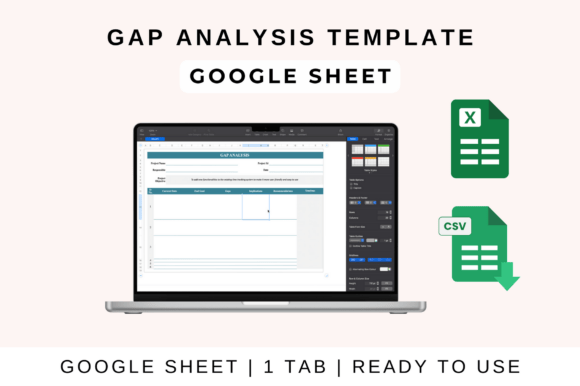
To maximize the template's value, focus on clear, actionable inputs. Start by defining your "desired state" with specific, measurable goals—like increasing brand recall through a more memorable color palette or improving website conversion with better visual calls-to-action. When evaluating your "current state," be honest and objective. The template's automated charts and summaries then transform this data into a clear visual story, highlighting the most critical gaps to bridge.
Key Considerations for Designers
As you analyze the data, consider these fundamental design principles:
- Consistency & Scalability: Does your design system work across all applications, from a tiny favicon to a large banner?
- Visual Hierarchy & Readability: Is the most important information immediately apparent, and is text legible in all contexts?
- Audience Alignment: Do your creative choices resonate with the tastes and expectations of your target demographic?
- Technical Compatibility: Are your chosen fonts, color codes, and file formats suitable for both print and digital workflows?
Ultimately, a thoughtful gap analysis empowers you to make strategic design choices. It shifts the focus from merely creating visuals to building a cohesive, effective visual language. By identifying and addressing these strategic gaps, you ensure your creative assets don't just look polished—they actively drive engagement, communicate value, and build lasting brand equity.